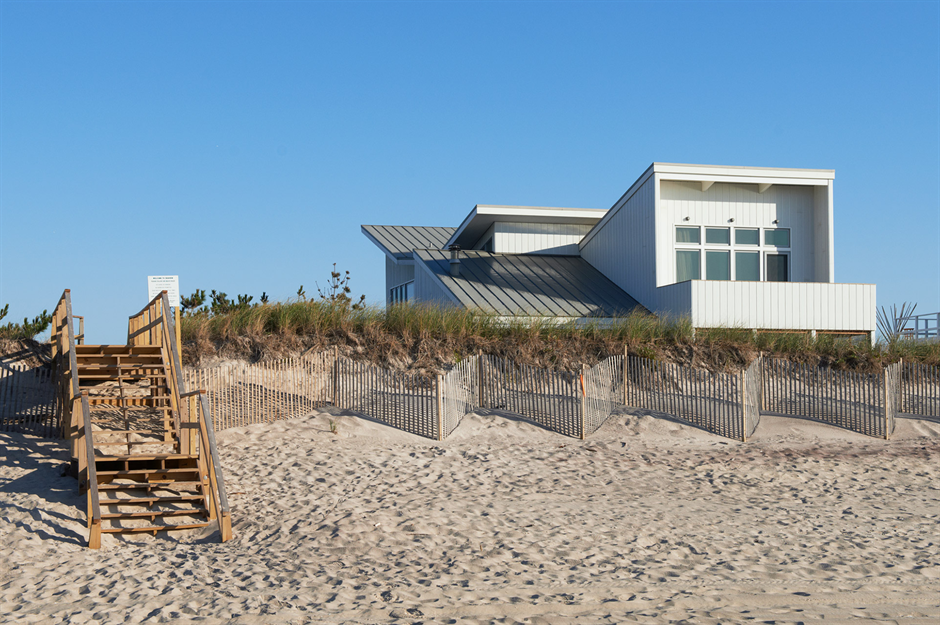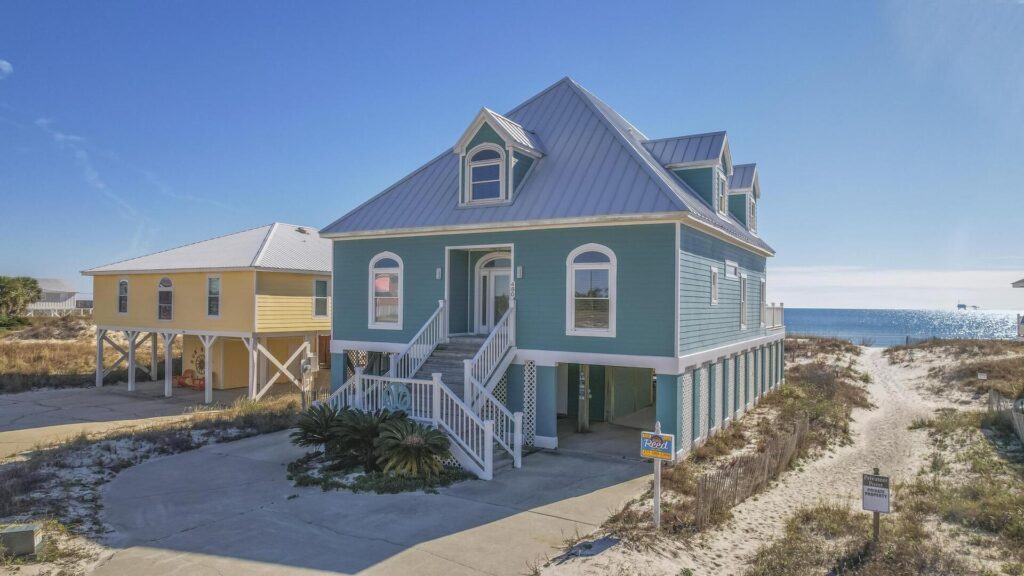
Purchasing a home on the Gulf Coast offers a unique blend of lifestyle benefits—proximity to the beach, stunning views, and a relaxed coastal atmosphere. However, buying property in a hurricane-prone area comes with special considerations that can impact financing, insurance, and overall property value. Understanding these factors is essential for buyers who want to make informed decisions, protect their investment, and enjoy peace of mind in their new coastal home.
Financing Coastal Properties: What Buyers Should Know
Financing a home near the coast can differ from traditional real estate transactions due to the unique risks associated with hurricanes and flooding. Lenders consider these risks when approving loans, which can affect interest rates, loan terms, and down payment requirements.
Conventional Loans vs. Government-Backed Loans
Buyers have several options when financing a coastal property. Conventional loans, typically offered by banks and mortgage companies, may require higher down payments and stricter credit criteria for homes in hurricane-prone areas. Lenders want assurance that the property can withstand natural disasters and that the borrower is prepared to maintain adequate insurance coverage.
Government-backed loans, such as FHA or VA loans, can sometimes provide more flexible options, especially for first-time buyers or military veterans. These programs still require proof of sufficient insurance and may include additional guidelines for properties near the coast.
Flood Zones and Lending Considerations
Many coastal properties fall within FEMA-designated flood zones. If a property is in a high-risk flood area, lenders typically require flood insurance as part of the mortgage agreement. This insurance can significantly increase monthly costs, so buyers should factor these expenses into their budget when evaluating affordability. Understanding the specific flood zone and associated insurance premiums is critical before committing to a purchase.
Preparing for Closing
Securing financing for a coastal property also involves planning for inspections and disclosures related to hurricane resilience. Lenders may request documentation of storm-resistant construction features, such as impact-resistant windows, reinforced roofing, and elevated foundations. Buyers should be prepared to provide this information during the loan approval process.
Insurance Considerations for Coastal Homes
Insurance is one of the most important aspects of owning a home on the Gulf Coast. Hurricanes, tropical storms, and flooding can create significant risks, and buyers must understand how to protect their property effectively.
Homeowners Insurance and Wind Coverage
Standard homeowners insurance typically covers fire, theft, and certain types of water damage, but in coastal areas, windstorm coverage is often a separate policy or endorsement. Many insurance companies require homes to meet specific construction standards to qualify for wind coverage, such as reinforced roof-to-wall connections, impact-resistant windows, and hurricane straps.
Flood Insurance
Even if a home is not in a high-risk flood zone, buyers should strongly consider flood insurance. Rising sea levels and unpredictable storm surges can cause flooding in unexpected areas. Flood insurance is generally provided through the National Flood Insurance Program (NFIP) or private insurers, offering protection for both the structure and personal property.
Premium Costs and Deductibles
Insurance premiums on the Gulf Coast are higher than the national average due to hurricane risk. Buyers should evaluate the balance between coverage limits, deductibles, and premiums. Some policies include a hurricane deductible, which is often calculated as a percentage of the home’s insured value rather than a fixed dollar amount. Understanding these terms helps buyers plan financially for potential storm-related expenses.
Hurricane-Resilient Features Buyers Are Looking For
In addition to financing and insurance, buyers are increasingly prioritizing hurricane-resilient construction features. These features not only improve safety but also enhance resale value and may reduce insurance premiums.
Elevated Foundations
One of the most critical aspects of hurricane resilience is elevation. Homes built on raised foundations are less likely to experience flood damage during storm surges. Buyers are drawn to properties with elevated foundations, especially those that exceed minimum FEMA requirements, as they provide added protection and peace of mind.
Impact-Resistant Windows and Doors
Windows and doors are vulnerable points during hurricanes, and buyers increasingly seek impact-resistant options. Laminated glass or shutters designed to withstand high winds can prevent breaches, reduce damage, and lower insurance costs. These features are often a top consideration for coastal buyers who want a secure and safe home.
Reinforced Roofs and Building Materials
A well-constructed roof is essential in hurricane-prone areas. Buyers look for reinforced trusses, metal connectors, and high-quality roofing materials designed to resist uplift from high winds. Additionally, materials such as concrete, brick, or insulated concrete forms (ICFs) offer added durability and protection against wind and water damage.
Secure Outdoor Structures
Boathouses, docks, decks, and other outdoor structures are especially susceptible to storm damage. Buyers are increasingly evaluating how these features are constructed, seeking elevated platforms, reinforced supports, and tie-downs that can withstand strong gusts and flooding. Well-built outdoor features contribute to both safety and property value.
Landscaping and Drainage
Effective drainage and strategic landscaping play a significant role in hurricane resilience. Buyers favor properties with grading that directs water away from the home, as well as native vegetation or retaining walls that reduce erosion. Proper site planning not only protects the property during storms but also supports long-term sustainability.
The Benefits of Investing in Hurricane-Resilient Homes
Homes designed with hurricane resilience in mind offer multiple advantages for buyers. Beyond safety, these features contribute to lower insurance premiums, reduced repair costs, and stronger resale value. As climate change increases the frequency and intensity of storms, hurricane-resistant construction is becoming a key differentiator in the coastal real estate market.
Peace of Mind
Knowing that a home is built to withstand storms provides invaluable peace of mind for homeowners. This sense of security allows buyers to enjoy their coastal lifestyle without constant worry about weather events.
Enhanced Property Value
Properties with hurricane-resilient features are often more desirable and can command higher prices in the market. Buyers recognize the long-term benefits of investing in a home that minimizes damage risk and reduces ongoing maintenance costs.
Insurance Incentives
Insurance companies often offer discounts or incentives for homes that include hurricane-resistant construction. Features such as impact-resistant windows, reinforced roofs, and elevated foundations can translate into tangible savings over time, making resilient homes more affordable in the long run.
Working with Real Estate Professionals
Navigating the coastal real estate market requires expertise. Buyers benefit from working with agents who understand local flood zones, insurance requirements, and the most effective hurricane-resistant features. Experienced professionals can guide buyers through the process of evaluating properties, comparing insurance costs, and understanding financing considerations specific to coastal locations.
Pre-Purchase Inspections
A knowledgeable real estate agent will recommend thorough inspections that assess structural integrity, roofing, and elevation. Identifying potential vulnerabilities before purchase ensures buyers are aware of any needed upgrades or repairs.
Guidance on Financing and Insurance
Real estate professionals can also help connect buyers with lenders and insurance providers familiar with coastal properties. This guidance ensures that financing is obtained efficiently and that buyers secure the appropriate coverage to protect their investment.
Conclusion
Buying a home on the Gulf Coast offers unparalleled lifestyle benefits, but it also comes with unique considerations related to financing, insurance, and hurricane resilience. Understanding how lenders evaluate coastal properties, the types of insurance coverage required, and the features that make a home storm-resistant is essential for informed decision-making.
Investing in hurricane-resilient features—such as elevated foundations, impact-resistant windows, reinforced roofs, and strategic landscaping—not only enhances safety but also contributes to property value, insurance savings, and peace of mind. By working with knowledgeable real estate professionals and taking a proactive approach to resilience, buyers can confidently enjoy coastal living while protecting their investment for years to come.
Whether you’re purchasing your dream beach house, a waterfront condo, or a coastal retreat, considering financing, insurance, and hurricane-resistant construction is key to making a smart and secure investment in Gulf Coast real estate.