Understanding the Unique Gulf Coast Market
Buying a home on the Gulf Coast is exciting, whether you’re looking for a permanent residence, a vacation getaway, or an investment property. The region offers beautiful beaches, vibrant communities, and a relaxed lifestyle that many people dream about. However, purchasing property in this area comes with unique considerations that buyers from other regions may not encounter. From weather-related concerns to local regulations, being informed is crucial before making a decision.
1. Hurricane Safety and Construction Quality
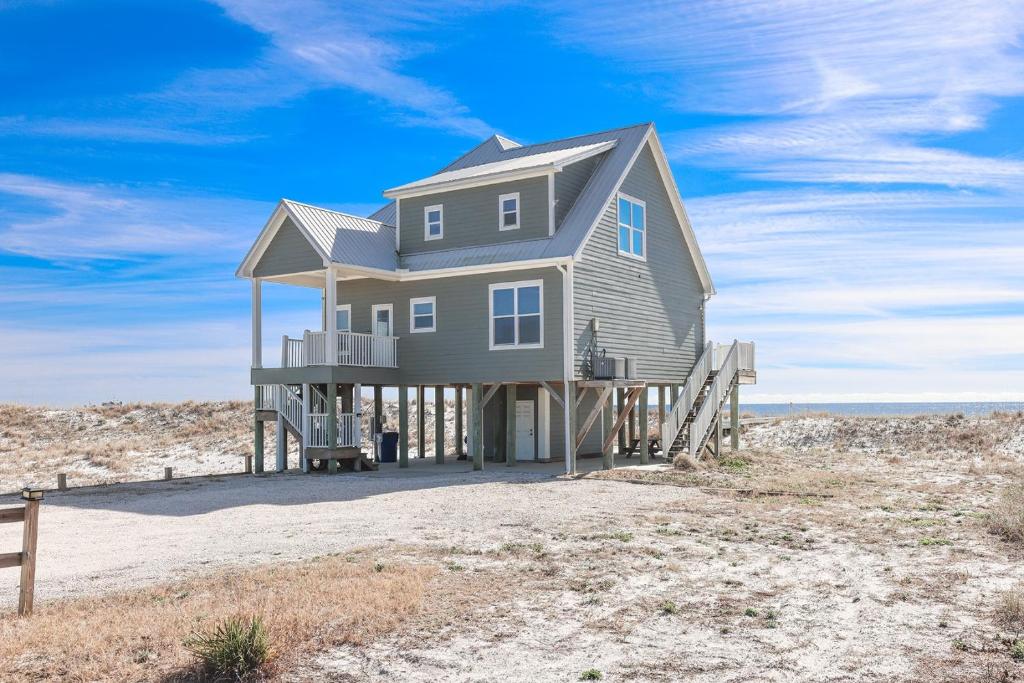
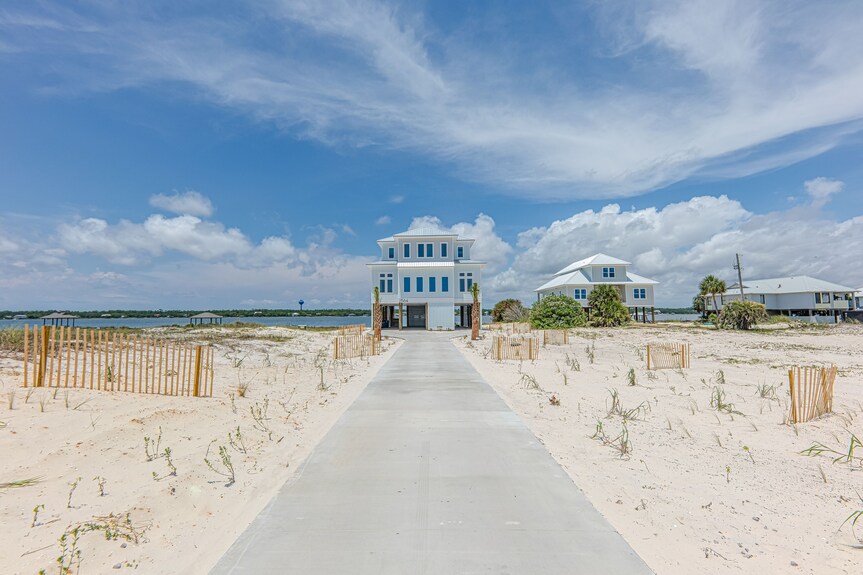
One of the most important factors to consider is how well a home is built to withstand severe weather, particularly hurricanes. Look for features like impact-resistant windows, reinforced doors, and elevated foundations. Homes constructed with concrete or steel framing tend to fare better in storms than older wood-frame houses. Additionally, understanding the history of any storm damage and reviewing maintenance records can provide peace of mind. Buyers should also consider flood zones and the home’s elevation, as these can affect insurance costs and long-term safety.
2. Flood Zones and Insurance Requirements
Flooding is a common concern on the Gulf Coast, so understanding flood zones is essential. Properties in high-risk areas may require flood insurance, which can be costly. Buyers should research the Federal Emergency Management Agency (FEMA) maps and consult with insurance providers to understand coverage requirements. Even if a property isn’t in a high-risk zone, considering flood mitigation measures such as proper drainage and landscaping can protect your investment. Being proactive about insurance and risk management ensures your home remains a safe haven no matter the weather.
3. Proximity to Amenities and Community Features
While the Gulf Coast is known for its natural beauty, it’s important to consider practical aspects of daily life. Proximity to schools, healthcare facilities, grocery stores, and recreational activities can significantly impact your lifestyle and property value. Waterfront properties may offer stunning views, but accessibility and convenience should not be overlooked. Buyers should also explore the community vibe, local events, and available amenities to ensure the area aligns with their lifestyle and long-term plans.
4. Resale Value and Market Trends
Even if you plan to stay long-term, considering resale value is wise. The Gulf Coast real estate market can be competitive, with certain neighborhoods appreciating faster than others. Factors influencing resale include location, property condition, upgrades, and local economic growth. Consulting with a knowledgeable local real estate agent can provide insight into which areas are trending and which investments offer the best long-term potential. Understanding market trends helps buyers make decisions that protect their investment over time.
5. Lifestyle Considerations and Seasonal Factors
The Gulf Coast lifestyle is a major draw, but it’s important to align your purchase with your personal needs. Consider how seasonal changes, tourism, and weather patterns may affect your experience. Some neighborhoods are bustling during peak season but quiet off-season, which may be perfect for some buyers and less ideal for others. Access to boating, fishing, beaches, and community activities can enhance your lifestyle, while factors like traffic and noise may impact daily comfort. Evaluating lifestyle alignment ensures that your Gulf Coast home meets both practical needs and personal enjoyment.
Conclusion
Buying a home on the Gulf Coast offers incredible opportunities, but it requires careful consideration of unique regional factors. From hurricane-resistant construction and flood insurance to location, resale potential, and lifestyle alignment, being informed empowers buyers to make confident decisions. Working with an experienced local real estate agent can simplify the process, provide insider knowledge, and ensure that your Gulf Coast dream home is both a smart investment and a place where memories are made.