Buying an investment property can be an exciting opportunity to build long-term wealth, generate rental income, and diversify your financial portfolio. However, not every property makes a good investment. A home may look appealing, have a great location, or even seem reasonably priced, but its true investment potential depends on much more than the purchase price.
Before purchasing an investment property, buyers should understand how to evaluate rental demand, operating expenses, location, property condition, and potential income. Taking the time to analyze these factors can help investors make informed decisions and avoid costly surprises.
Start With the Location
Location is one of the most important factors when evaluating rental potential. A desirable location can attract more renters, support stronger rental rates, and help protect the property’s long-term value.
Consider what makes the area attractive to potential tenants. Proximity to beaches, restaurants, shopping, schools, employment centers, entertainment, parks, and major transportation routes can all influence demand.
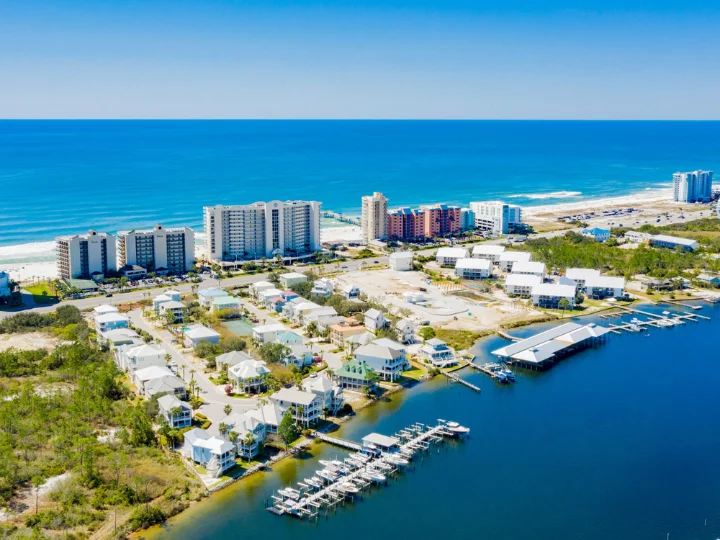
For Gulf Coast investors, location can play an especially important role. Properties near the beach, waterways, restaurants, and popular attractions may have strong vacation rental appeal. At the same time, properties farther inland may attract long-term tenants looking for year-round housing.
Understanding who is likely to rent the property is the first step toward determining whether the location supports your investment strategy.
Determine What Type of Rental You Want
Before looking at individual properties, decide what type of rental investment you are pursuing.
Long-term rentals typically involve tenants signing leases for several months or a year or more. These properties may provide more predictable occupancy and income, while generally requiring less frequent turnover.
Short-term or vacation rentals operate differently. They may generate higher nightly rates during peak seasons but can also experience fluctuations in occupancy, increased management needs, and higher maintenance and cleaning costs.
Some investors may also consider mid-term rentals, which can appeal to traveling professionals, seasonal residents, or people between homes.
The right strategy depends on your financial goals, the property’s location, local regulations, and how involved you want to be in managing the property.
Research Local Rental Rates
One of the most important steps is determining what comparable properties are actually renting for.
Look at similar homes in the same area and compare factors such as size, number of bedrooms and bathrooms, amenities, condition, location, and furnishings.
For vacation rentals, consider average nightly rates as well as seasonal pricing. A property may command significantly different rates during peak tourist periods compared with the offseason.
It is important to avoid basing your projections on the highest rental rate you can find. Conservative estimates can provide a more realistic picture of potential performance.
Understand Occupancy
Rental income depends on more than the amount you can charge. You also need to consider how often the property is likely to be occupied.
A vacation property that rents for $300 per night sounds attractive, but that rate means little if the property sits vacant for long periods.
Research historical occupancy trends when possible and consider seasonality. Gulf Coast markets, for example, can experience significant changes in demand throughout the year.
For long-term rentals, consider the local rental market, tenant demand, average lease durations, and vacancy rates.
Building realistic occupancy assumptions into your financial projections can help you better understand the property’s potential.
Calculate the Expenses
Rental income is only one side of the investment equation. Investors also need to account for the costs associated with owning and operating the property.
Expenses may include:
- Mortgage payments
- Property taxes
- Homeowners insurance
- Flood or wind insurance when applicable
- HOA fees
- Utilities
- Property management
- Repairs and maintenance
- Landscaping
- Pest control
- Cleaning between guests
- Furnishings and replacements
- Marketing and booking fees
- Licensing or permit costs
Coastal properties may have additional insurance and maintenance considerations because of weather exposure. These expenses should be researched carefully before purchasing.
The goal is to understand your estimated net income, not simply your potential gross rental revenue.
Consider Property Management
Managing a rental property can take significant time, particularly with short-term rentals.
Property management companies may handle guest communication, reservations, cleaning, maintenance coordination, inspections, and marketing. While these services come at a cost, they can make an investment much easier to manage.
If you plan to use professional management, include those fees in your financial calculations from the beginning.
If you intend to manage the property yourself, be realistic about the time commitment. Vacation rentals may require frequent communication and quick responses, especially during evenings, weekends, and holidays.
Check Rental Restrictions
Never assume that a property can automatically be used as a rental.
Local governments, homeowners associations, condominium associations, and property covenants may have restrictions on short-term rentals or rental activity in general.
Before purchasing, investigate applicable zoning requirements, licensing rules, rental minimums, occupancy limits, HOA regulations, and other restrictions.
This is especially important in popular coastal markets where short-term rental regulations can vary significantly between communities and properties.
Understanding the rules before making an offer can help prevent an investment from becoming a costly mistake.
Evaluate the Property Itself
A property’s rental potential is also affected by its physical condition and features.
Consider the number of bedrooms and bathrooms, parking availability, outdoor space, storage, kitchen functionality, laundry facilities, and overall layout.
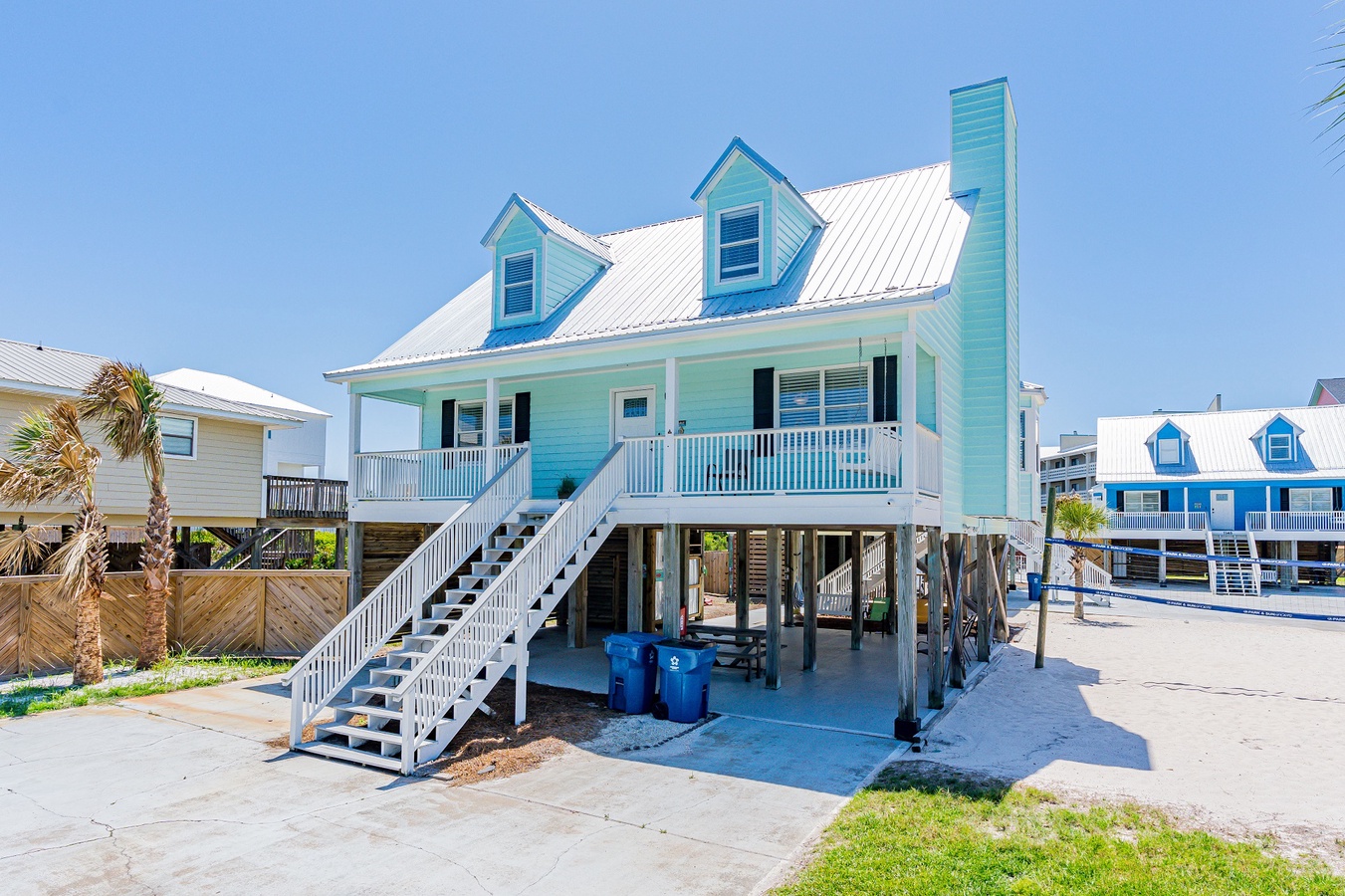
For vacation rentals, amenities can have an especially strong impact on guest appeal. Features such as a pool, balcony, outdoor entertaining space, beach access, or waterfront views may help differentiate a property from competing rentals.
However, amenities also come with maintenance costs. An attractive feature is only valuable if the additional income or demand it generates justifies the expense.
Think About Seasonality
Seasonality is an important consideration for many investment properties, especially vacation rentals.
A property may perform extremely well during peak travel periods but experience slower demand during other months. Investors should account for these fluctuations when estimating annual income.
Rather than focusing only on the best months of the year, look at the property’s potential performance across an entire year.
A realistic annual projection will give you a much better understanding of whether the investment makes sense.
Look at Cash Flow
Cash flow is one of the most important measurements for rental property investors.
Simply put, cash flow is the money left after rental income covers operating expenses and debt obligations.
A property with high rental revenue can still produce negative cash flow if expenses are too high. Conversely, a property with a lower purchase price and modest rental income may perform well if its operating costs are manageable.
Investors should carefully compare expected income against all anticipated expenses rather than relying on rental revenue alone.
Consider Appreciation
Rental income isn’t the only potential benefit of owning an investment property. Investors may also benefit from long-term property appreciation.
Location, development, infrastructure improvements, demand, and broader economic conditions can all influence property values over time.
However, appreciation should generally be viewed as a potential long-term benefit rather than guaranteed income. A strong investment should make sense based on realistic rental and expense projections without relying entirely on future appreciation.
Consider Your Exit Strategy
Before buying an investment property, think about what you may want to do with it in the future.
Will you hold it for several years and generate rental income? Could you eventually sell it? Might you use it as a personal vacation property? Could you refinance or purchase another investment property later?
Having an exit strategy can help you evaluate whether the property supports your broader financial goals.
Work With Local Real Estate Professionals
Investment properties require a different level of analysis than a typical primary residence. Working with professionals who understand the local market can help you evaluate rental demand, comparable properties, neighborhood trends, and potential challenges.
A knowledgeable real estate agent can help you identify properties that align with your investment strategy and provide valuable insight into the local market. You may also want to consult with a lender, insurance professional, property manager, tax professional, and attorney as appropriate.
The goal is to build a team that can help you understand both the opportunities and responsibilities associated with the investment.
Make the Numbers Work Before You Buy
The most important rule when purchasing an investment property is simple: understand the numbers before making the commitment.
A property’s purchase price, rental income, occupancy, operating expenses, financing costs, insurance, taxes, and management expenses all contribute to its overall performance.
The more thoroughly you evaluate these factors, the better prepared you will be to determine whether a property fits your investment goals.
Invest With a Plan
A successful rental property investment starts long before the property closes. It begins with understanding the market, identifying your strategy, researching rental demand, and carefully evaluating the numbers.
Whether you’re considering a long-term rental, vacation property, or another type of investment, taking a thoughtful approach can help you make a purchase that supports your financial goals.
If you’re considering investing in real estate, a local real estate professional can help you explore available opportunities and better understand the market. The right investment property isn’t necessarily the one with the highest rental rate. It’s the one that fits your strategy, makes sense financially, and has the potential to perform over the long term.