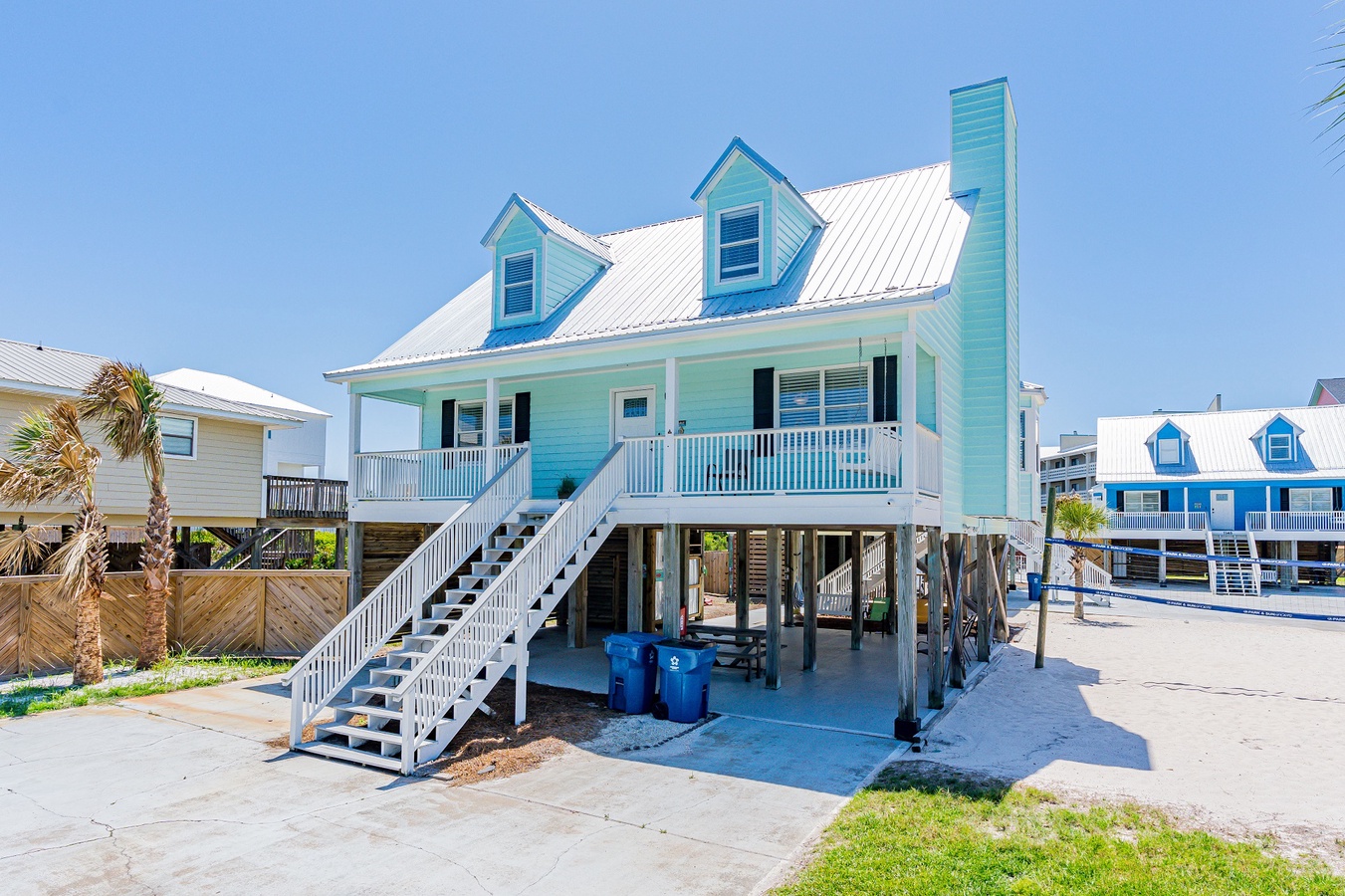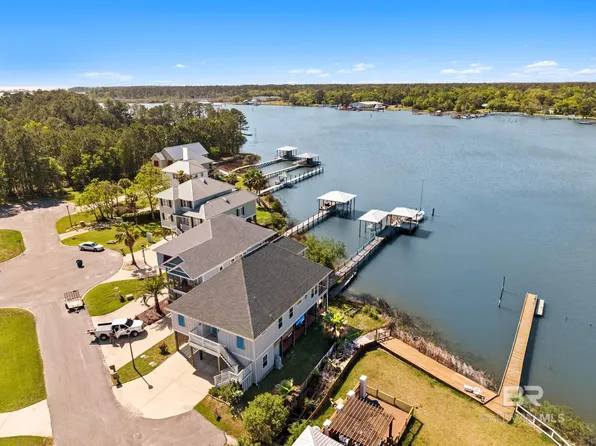
On the Gulf Coast, few features carry as much weight in real estate conversations as “waterfront” and “water access.” Buyers often use the terms interchangeably, assume they mean the same thing, or discover too late that what they thought they were getting doesn’t match reality. In markets like Gulf Shores and Orange Beach, where boating, fishing, and coastal living are a major part of the lifestyle, understanding the difference between waterfront and water access isn’t just helpful—it can completely change how you evaluate a property.
Why the Difference Matters More Than Buyers Realize
At first glance, both waterfront and water access sound like they deliver the same lifestyle: proximity to the water. But in practice, they offer very different experiences, levels of convenience, and often very different price points.
Waterfront property typically means your home sits directly on the water. That could be the Gulf, a bay, a canal, or an inlet. You’re looking at water from your home, and in many cases, you have direct access—sometimes even a private dock or boat slip.
Water access, on the other hand, means you can get to the water, but you’re not necessarily on it. This might include a short walk, a community dock, a marina nearby, or even a boat launch within the neighborhood. You still enjoy the coastal lifestyle, but not with the same direct frontage or immediate access that waterfront living provides.
The confusion comes in when listings or conversations don’t clearly define the difference—or when buyers assume “close to water” means “on the water.”
Waterfront Living: The Direct Coastal Experience
Waterfront properties are the most straightforward to understand, but they also come with the widest range of value and lifestyle differences depending on location.
In areas like canal-front homes in Orange Beach or bayfront properties in Gulf Shores, waterfront living often includes private docks, boat lifts, and unobstructed views. The experience is immediate—you step outside and you’re already on the water.
This type of property tends to carry a premium for several reasons. First, there is limited supply. You can’t create more waterfront land, especially in established coastal communities. Second, demand is consistently high among both full-time residents and second-home buyers who prioritize convenience and views.
But waterfront living also comes with trade-offs that buyers sometimes overlook. Maintenance costs can be higher due to exposure to saltwater and weather conditions. Insurance can be more complex. And not all waterfront properties are equal—depth of water, navigability, and boat access can vary significantly even within the same neighborhood.
Water Access: Lifestyle Without the Premium Price Tag
Water access properties offer a different kind of opportunity. These homes are designed for buyers who want to enjoy the coastal lifestyle without paying top-tier waterfront pricing.
In many Gulf Coast communities, water access can mean shared docks, community boat launches, nearby marinas, or canal systems that are not directly behind the home but still easily reachable. For many buyers, this is the sweet spot—especially for those who value boating or fishing but don’t necessarily need to see water from every window.
One of the biggest advantages of water access properties is value. Buyers often get more square footage, newer construction, or larger lots compared to waterfront homes at a similar price point. In addition, maintenance and insurance can sometimes be less intensive, depending on the property’s exact location and elevation.
However, the key trade-off is convenience. Instead of stepping directly onto your dock or backyard waterway, there may be a short walk, drive, or shared access point involved. For some buyers, that’s a small compromise. For others, it’s a dealbreaker.
Where Buyers Get It Wrong Most Often
The biggest mistake buyers make is assuming proximity equals functionality. Just because a home is “near the water” doesn’t mean it offers practical boating access. A canal view doesn’t always mean deep water access. A nearby marina doesn’t always mean slip availability. And a “water access community” doesn’t always include guaranteed boat storage or dock space.
Another common misunderstanding is assuming waterfront automatically means usable waterfront. Some properties may sit on shallow or non-navigable water, limiting the type of boat or activity possible. Others may have erosion concerns, restricted access, or HOA rules that impact usability.
On the flip side, buyers sometimes overlook strong water access communities because they’re chasing the word “waterfront” without fully considering how they actually plan to use the property.
Lifestyle Should Drive the Decision
The right choice between waterfront and water access ultimately comes down to lifestyle, not just terminology.
If the goal is to walk outside and immediately step onto a boat, or to enjoy unobstructed water views every day, waterfront living is usually the better fit. If the goal is access to boating, fishing, and coastal living without paying the premium that comes with direct frontage, water access may be the smarter option.
On the Gulf Coast, both options can deliver an incredible lifestyle—it just depends on how you intend to use it. A buyer who understands this difference early in the process is far more likely to find a property that actually fits their expectations long-term.
The Bottom Line for Gulf Coast Buyers
In markets like Gulf Shores and Orange Beach, waterfront and water access properties are both highly desirable—but they are not interchangeable. The difference impacts price, lifestyle, maintenance, and long-term satisfaction with your purchase.
The most successful buyers are the ones who go beyond the label and look closely at what the property actually offers: access type, water depth, community amenities, and real day-to-day usability.
Because in coastal real estate, it’s not just about being near the water—it’s about how you get to enjoy it.